Rubbish collection near West Brompton Station explained
Posted on 16/07/2026
If you live, work, or manage a property near West Brompton Station, rubbish collection can feel deceptively simple. In reality, it often sits at the intersection of busy streets, tight access, flat shares, office moves, and the usual London hassle of "where do we put this until collection day?" This guide to rubbish collection near West Brompton Station explained breaks down how it works, who it suits, what to expect, and how to avoid the common mistakes that turn a straightforward job into an annoying one. You will also find practical steps, a comparison table, and a checklist you can actually use. No fluff. Just the useful bits.
Whether you are clearing a few bulky items, dealing with renovation debris, or simply trying to stay on top of waste in a compact urban setting, the right approach saves time, stress, and often money too. And let's be honest, nobody wants a pile of black bags lingering by the hallway all weekend.
Why Rubbish collection near West Brompton Station explained Matters
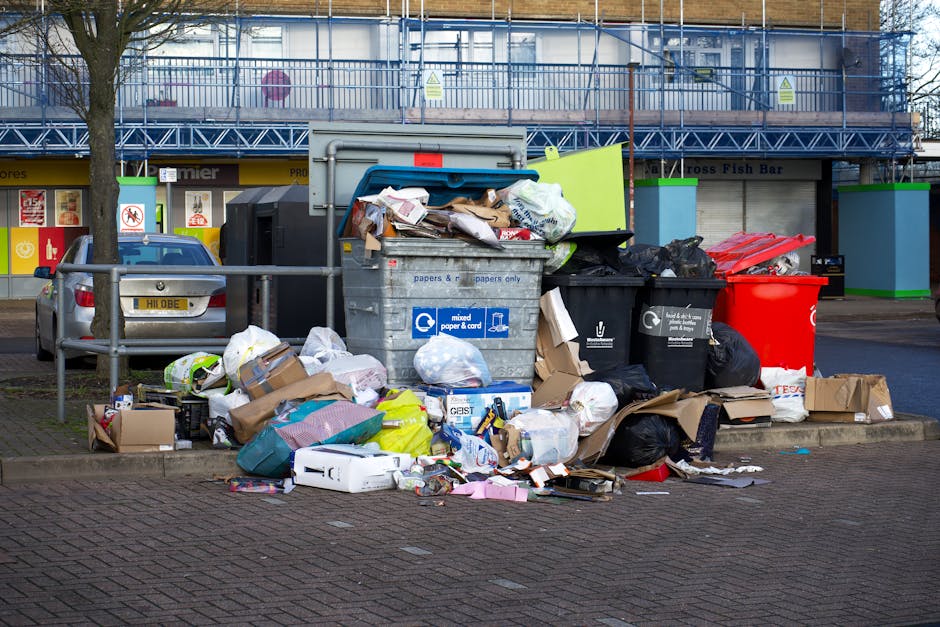
West Brompton is a busy, tightly packed part of London. That matters because waste does not move itself, and the local environment can make even a small job slightly more complicated. Narrow pavements, shared entrances, basement flats, timed access, parking limits, and mixed-use buildings all shape how rubbish should be removed. If you do not plan properly, you can end up with missed handovers, extra labour, or waste sitting around longer than it should.
There is also a broader practical point. In neighbourhoods like this, rubbish collection is not just about getting rid of clutter. It is about keeping communal spaces tidy, reducing trip hazards, avoiding complaints from neighbours, and making sure waste is handled in a way that fits the property and the type of material involved. For example, a bag of household waste is one thing; a stack of broken shelving, old office files, and a mattress is another. Same postcode, very different approach.
If you are new to the area, it helps to understand the local rhythm. Nearby homes, flats, and business premises often need flexible collection options rather than rigid one-size-fits-all arrangements. That is why a lot of people start with a broader view of the area and then choose the service that suits the building, not just the address. If you want to get a feel for the neighbourhood context, you may also find an insider's guide to Brompton useful. It is not about rubbish specifically, but it does help place the area in context.
Key point: near West Brompton Station, the best rubbish collection plan is the one that fits your building access, timing, and waste type. Simple as that. Or at least, as simple as London allows.
How Rubbish collection near West Brompton Station explained Works
At a practical level, rubbish collection near West Brompton Station usually follows a short series of steps: identify what needs removing, assess how it can be safely collected, agree on a time window, and make sure the waste is loaded and taken away properly. The details vary depending on whether you are dealing with household rubbish, furniture, office waste, garden material, or builders' debris.
Most people think first about the visible part: bags, boxes, furniture, or renovation waste sitting in a room, hallway, or yard. But the real work starts before pickup. A good collection normally involves checking access routes, looking at stairs or lifts, understanding whether items need disassembly, and separating recyclable materials where practical. In some cases, the collection team may ask for photos first, especially if the load includes mixed materials or bulky items. That is not fussiness. It is usually the quickest way to avoid surprises on the day.
For example, a one-bedroom flat clearing out after tenants move might need very little preparation beyond bagging loose rubbish and stacking furniture safely. A small office in the area, on the other hand, may need paper waste, old monitors, chairs, and miscellaneous storage items handled in stages. If you are dealing with that sort of situation, it can help to read about office clearance in Brompton, because office rubbish tends to behave differently from domestic waste. File boxes, cabling, and desks all need a bit more thought than people expect.
Rubbish collection also overlaps with waste removal. In everyday conversation, people use the terms interchangeably, but there is a subtle difference: collection often implies picking up items you have already gathered or identified, while waste removal can cover a broader, more hands-on service that includes sorting, lifting, loading, and disposal. If the job is larger, or more mixed, a broader service may simply be easier.
The best providers keep the process clear. They tell you what can be removed, what needs to be separated, what may need special handling, and what happens after pickup. No mystery. No van-sized guesswork.
Key Benefits and Practical Advantages
There is a reason people choose organised rubbish collection instead of trying to manage everything themselves. The obvious benefit is convenience, but the deeper value is in reducing friction. When waste is collected properly, you free up space, lower the chance of accidents, and get back to normal life faster. Which sounds small, until you have a mattress leaning in the hall for three days.
- Speed: A planned collection is usually much quicker than piecing together multiple trips to disposal points.
- Less disruption: You avoid blocking stairwells, entrances, or shared spaces for longer than needed.
- Better handling of bulky items: Sofas, beds, cupboards, and broken appliances are awkward to move without the right support.
- Cleaner presentation: Useful for landlords, agents, offices, and anyone expecting visitors or inspections.
- More predictable outcome: You know what is being taken, when it is going, and roughly how the job will be managed.
- Potentially better recycling outcomes: Sorted waste is usually easier to direct into the right stream.
There is also a less obvious benefit: peace of mind. If you have ever tried to juggle parking, loading, and disposal on a packed London street, you already know why many people prefer to hand the job to a team that understands the area.
One more thing. Good rubbish collection is often cleaner than a DIY approach. That matters in flats, communal buildings, and busy commercial spaces where leaving scraps, dust, or packaging behind creates a second problem. Nobody wants that awkward "someone has to tidy up the mess after the waste is gone" moment.
Who This Is For and When It Makes Sense
This kind of service is useful for a wide range of people, but it is especially relevant if you are in a location with limited storage, shared access, or frequent turnover. West Brompton Station sits in an area where all three can apply. Small homes, rental properties, managed buildings, offices, and short-notice clear-outs are all common use cases.
You may benefit from rubbish collection if you are:
- moving out and need clutter removed quickly
- dealing with end-of-tenancy waste
- clearing old furniture after a delivery or upgrade
- getting rid of light renovation debris
- emptying a storage room, basement, or loft
- removing garden cuttings or seasonal waste
- preparing an office, studio, or shopfront for inspection
It also makes sense for property owners who want to keep spaces presentable between occupants. If you are interested in the wider property side of the area, this overview of living in Brompton gives some useful background on the practical realities of the neighbourhood. And if you are dealing with a more direct property move or sale, these property tips may help you think ahead about the condition of the space.
It may not be the right fit if your waste is extremely small and can be handled through normal household collection, or if you only have a single item that can be safely moved and disposed of without much effort. But once items become bulky, mixed, dirty, or awkwardly located, collection starts to make a lot more sense.
Truth be told, the "should I just do this myself?" question usually answers itself once you look at the staircase, the weather, and the item in question.
Step-by-Step Guidance
If you want the cleanest result, follow a straightforward process. It is rarely glamorous, but it works.
- Identify the waste category. Separate household rubbish, furniture, garden waste, office items, and construction debris. This is the first thing that keeps a job orderly.
- List bulky or awkward items. Note anything that needs two people, careful lifting, or partial disassembly.
- Check access. Think about stairs, lifts, door widths, parking, loading space, and any building rules.
- Take clear photos if needed. A few good pictures often help with planning more than a long explanation.
- Ask what can be removed. Some items need special treatment, so it is better to ask early than on the doorstep.
- Choose a time that suits the property. If you live in a shared building, try to avoid busy arrival windows or peak lift times.
- Prepare the area. Put loose waste together, keep pathways clear, and move personal items out of the way.
- Confirm pricing details. Make sure you understand what affects the final cost, including volume, labour, access, and any special waste types.
- Complete a final check. Before the team leaves, look over cupboards, storage corners, and behind doors. People always forget one thing, always.
If the waste involves renovation work, a dedicated service may be more suitable. For that, builders waste disposal in Brompton is a better match than a standard collection, because construction waste often includes heavier and more restrictive materials. It is one of those areas where choosing the right service from the start saves a lot of hassle later.
Expert Tips for Better Results
Over time, the best rubbish collections tend to look simple because the preparation was done properly. That is the secret, really.
- Sort before you book. Mixed waste is harder to estimate and harder to move efficiently.
- Do not leave it to the last minute. In a busy area, same-day timing is convenient, but clear planning is usually calmer.
- Protect communal areas. Use covers or make a clear route if items are likely to brush walls or flooring.
- Be realistic about access. If a sofa is not going round a corner, do not pretend it will. We have all been there.
- Keep fragile and valuable items separate. Sounds obvious, but it gets overlooked more than you might expect.
- Ask about recycling. A good collection service should be able to explain how reusable or recyclable material is handled.
- Match the service to the job size. Small clearance, house clearance, office waste, garden waste, and mixed rubbish are not all the same thing.
One small but useful habit is to label what stays and what goes. A piece of masking tape on a box or a note on a door can prevent accidental removal, especially in shared homes or offices. It sounds almost too basic to mention. But basic things save expensive mistakes.
If your waste is likely to include a lot of reusable items, it can also help to think ahead about whether some should be kept for donation, resale, or future use. That is not always practical, of course, but when it is, it reduces disposal volume and can lower the job size.
Common Mistakes to Avoid
The most common problems are not dramatic. They are the sort of small oversights that turn a tidy plan into a messy one.
- Guessing the volume. People often underestimate how much waste they actually have. The last bag is never really the last bag.
- Forgetting about access. A collection team needs to know about stairs, narrow passages, locked gates, or no-parking restrictions.
- Mixing everything together. Mixing waste types can slow the process and make sorting harder.
- Not checking building rules. Shared buildings may have time windows, lift booking rules, or quiet hours.
- Leaving hazardous items in the pile. Paints, chemicals, batteries, and similar items often require separate handling.
- Assuming all collection services are the same. Some are better suited to domestic waste, some to offices, some to renovation jobs.
- Waiting until the pile becomes unmanageable. That usually increases stress, not just volume.
Another easy mistake is choosing based on speed alone. Fast is nice, sure. But if a provider does not explain what they can take or how they handle the load, you may end up with an incomplete collection and another booking anyway. Not ideal.
Tools, Resources and Recommendations
You do not need much to get organised, but a few simple tools make a big difference. A tape measure, a phone camera, strong bags, labels, gloves, and a rough room-by-room list are often enough. For larger jobs, a notepad or shared checklist keeps everyone on the same page.
For an office or mixed-use property, it helps to keep a short inventory of what is being removed. That might include desks, chairs, filing cabinets, printers, boxed papers, cables, or broken fixtures. The list does not have to be beautifully formatted. It just needs to be accurate enough to plan the load.
If you are deciding between disposal options, the broader service pages can help you understand what type of job you are dealing with. A general overview of available services is useful when you are not yet sure whether you need household collection, a clearance, or a more specialised waste removal solution. If your job is mostly clutter and mixed household items, house clearance in Brompton may be the better route. For lighter or more routine mixed rubbish, rubbish collection in Brompton is often the simplest place to start.
It is also worth looking at practical trust signals before you book. Pages about pricing and quotes, payment and security, and insurance and safety can help you understand how a provider works beyond the headline service itself. That matters more than people think. A smooth collection is usually backed by a clear process, not just a van and a logo.
For environmental considerations, recycling and sustainability explains the general approach to responsible disposal. If you are dealing with seasonal branches, soil, or cuttings, garden waste removal in Brompton is a more relevant match than a standard rubbish booking.
Law, Compliance, Standards and Best Practice
Waste collection in the UK is not just a convenience service; it sits within a framework of basic legal and environmental responsibilities. You do not need to become a regulations expert to book a collection, but it helps to know the basics.
For householders and businesses, the practical expectation is that waste should be transferred to a legitimate carrier and handled responsibly. Mixed rubbish, bulky waste, electrical items, and construction material may each involve different handling expectations. If you are a business, there is usually a stronger need to keep records, separate materials sensibly, and avoid mixing waste streams without reason. That is especially relevant for offices and rented commercial units near transport hubs, where turnover can be brisk.
Best practice usually includes:
- clear description of the waste
- safe loading and lifting methods
- separation of recyclable items where possible
- careful treatment of anything potentially hazardous
- respect for building access and shared spaces
- transparent pricing and service terms
If you are comparing providers, do not be shy about asking how they handle safety, liability, and waste transfer. You are not being difficult. You are being sensible. And if a provider also publishes clear policies, such as terms and conditions or a privacy policy, that is usually a sign they take the business side seriously too. Small detail, but it helps.
One more thing: if waste involves specialist items, you should be especially cautious. Batteries, chemicals, sharp materials, and electrical items should never just be bundled into a random pile and hoped for. That is not best practice; that is just future trouble.
Options, Methods and Comparison Table
There is more than one way to deal with rubbish near West Brompton Station. The right option depends on what you are removing, how much there is, and how much time you want to spend on it.
| Method | Best for | Strengths | Limitations |
|---|---|---|---|
| Self-loading and disposal | Very small loads, simple household waste | Low direct spend, flexible if you already have transport | Time-consuming, physically demanding, parking and access can be awkward |
| Standard rubbish collection | Mixed domestic waste, smaller bulky items | Convenient, quick, less disruption in busy buildings | May not suit very large, specialised, or hazardous loads |
| House clearance | Whole rooms, flats, or larger household clear-outs | Good for significant volume, less DIY effort, more comprehensive | May be more than you need for a tiny job |
| Office clearance | Desks, chairs, files, fixtures, and business waste | Suited to commercial spaces, often more organised for mixed business items | Needs better planning around access and timing |
| Garden waste removal | Cuttings, branches, soil-related waste | Specialised handling for green waste | Not suitable for general household clutter |
| Builders waste disposal | Renovation debris and construction leftovers | Better for heavier, messier, or mixed site waste | Requires careful waste identification and sometimes more preparation |
If you are unsure which method fits, start by asking what the waste mostly is. That one question solves a lot. The main mistake people make is booking the nearest-sounding service rather than the right one.
Case Study or Real-World Example
A small managed flat near West Brompton Station had a familiar problem: two old wardrobes, a broken bed frame, a stack of delivery boxes, and a few bags of mixed rubbish gathered after a tenant move. Nothing dramatic. Just enough to be annoying. The landlord had limited access because the building shared a narrow entrance and the lift was booked for a short window.
The solution was straightforward. The items were photographed, grouped by room, and placed near the exit without blocking the corridor. Fragile pieces were separated from general rubbish. The collection time was set to avoid the busiest part of the day, and the team moved everything in one visit. No drama, no back-and-forth. The whole thing worked because the waste was organised before anyone arrived.
Now compare that with a nearby office clear-out where boxes of paper, outdated monitors, broken chairs, and a couple of filing cabinets were all mixed together. Same general area. Very different planning requirement. Once the team knew what they were dealing with, they could manage the load more efficiently and avoid a second trip. That is the real value of good rubbish collection: the job looks easy because the prep was careful.
Sometimes that is all a property or business needs. Not a grand solution. Just a sensible one.
Practical Checklist
Use this before booking or on the morning of collection.
- List every item or waste type you want removed
- Separate household rubbish, furniture, office waste, and green waste
- Check stairs, lifts, entrances, and parking access
- Measure any bulky items if space is tight
- Put aside anything you want to keep
- Remove personal documents and valuables from the area
- Ask whether any items need special handling
- Confirm the collection window and any access rules
- Keep communal routes clear
- Do a final sweep before the team leaves
If you are dealing with a larger or more mixed job, it can help to revisit the broader service options, especially waste removal in Brompton if the load is substantial or not neatly categorised. And if you are tackling an older property or a room full of accumulated items, this local rubbish removal guide may give you a few extra practical ideas.
Short takeaway: clear the route, know the waste, and match the service to the job. That alone prevents most headaches.
Conclusion
Rubbish collection near West Brompton Station is easiest to understand when you stop thinking of it as a simple pickup and start treating it as a small logistics job. The type of waste, the building access, the timing, and the size of the load all matter. Once those pieces are clear, the process becomes far less stressful and much more predictable.
For local residents, landlords, offices, and anyone managing a busy property, the best approach is usually the one that balances speed, safety, and responsible disposal. That means choosing the right service, preparing the site properly, and avoiding the temptation to wing it. To be fair, winging it works for very little in London.
If you take one thing from this guide, let it be this: good rubbish collection is not just about removing waste. It is about restoring order, keeping the property usable, and making the next step easier. And that feels pretty good, especially when the flat finally looks like a flat again.
Get a free quote today and see how much you can save.

Copyright © . House Clearance Brompton. All Rights Reserved.